


But the moment that same experience leaves the restaurant and moves into another setting — a private celebration, a corporate gathering, an event at home — something changes. The decision suddenly feels heavier. Doubts appear. Budgets are questioned. Catering enters the realm of the negotiable, the optional, the “perhaps we don’t need quite so much”.
And inevitably, the question arises: why does spending on restaurants feel so natural, while investing in high-quality catering feels so much harder?
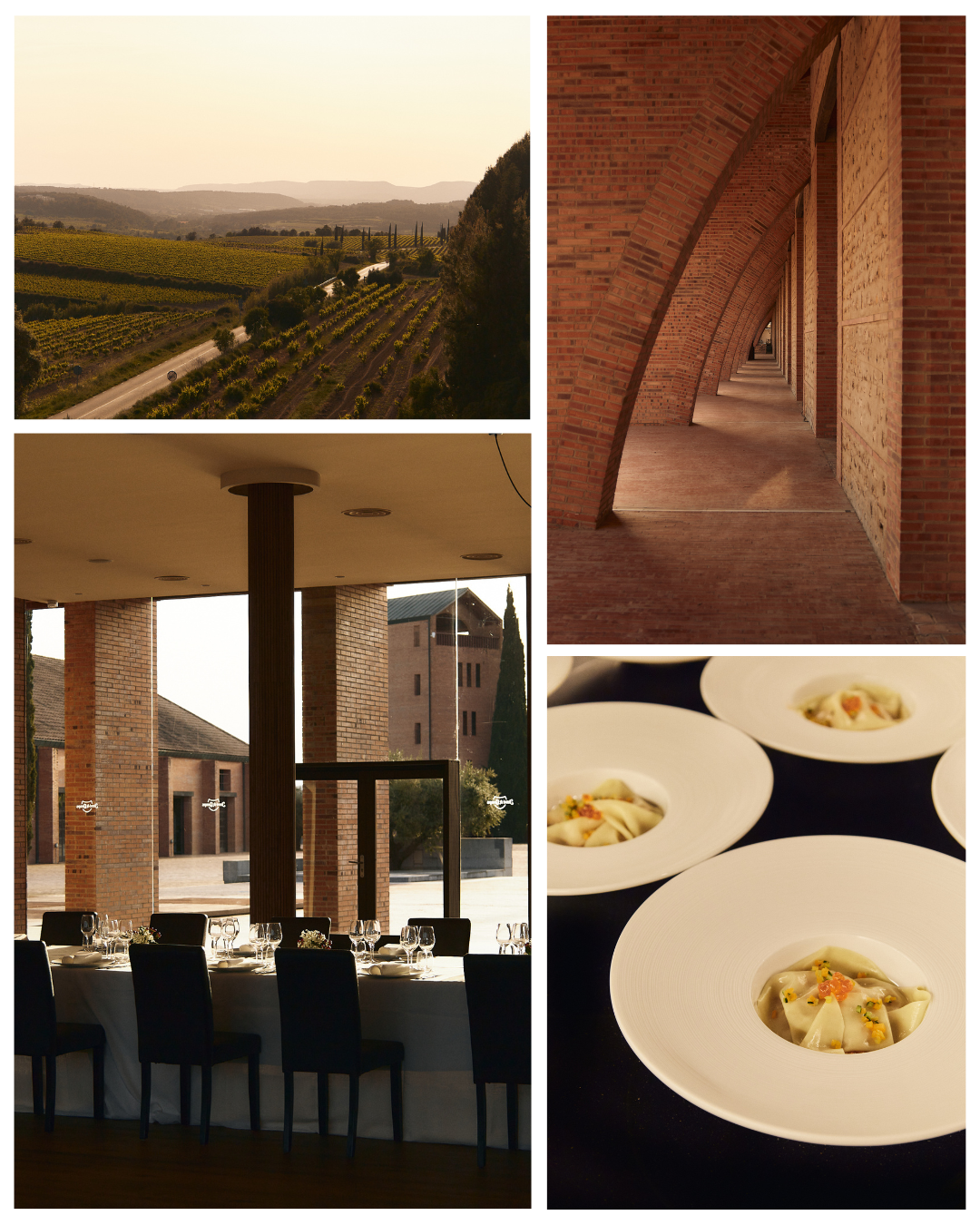
The difference isn’t the product itself. It’s the narrative around it.
Over time, restaurants have successfully built a very clear cultural value. We understand instinctively that we’re not simply paying for a dish, but for an entire experience: the atmosphere, the setting, the service, the attention to detail, the care someone has taken so that we don’t have to. Even if we don’t consciously think about it, we know we’re paying for far more than what’s on the plate.
Catering, meanwhile, still carries a far narrower perception. It’s often reduced to food that arrives, gets served and disappears again. As though there weren’t the same — or often greater — complexity behind it. As though there weren’t planning, logistics, adaptation to the space, understanding of the occasion, coordination between teams, control over presentation, temperature, timing and service, all delivered in a setting where there is only one chance to get everything right.
Perhaps the issue isn’t catering itself, but our difficulty in appreciating what remains unseen.
The hesitation around investing in the intangible
Paying for a restaurant feels comfortable because the experience is already complete, packaged and validated by others. We know what to expect. We’ve seen endless recommendations, reviews and curated lists telling us where to go and what to order. Even when restaurants surprise us, they do so within a familiar framework.
Catering demands something far less comfortable: trust in something that doesn’t yet exist.
It means investing in an experience being created specifically for a particular moment, a particular space and a particular group of people. And that requires a different kind of decision — one that is less automatic and far more intentional.
There’s also a subtle but fundamental difference between dining out and creating a meaningful moment.
When we go to a restaurant, we step into someone else’s world: their space, their rhythm, their rules. Catering works the other way around. The experience adapts to the context, the celebration and the atmosphere people want to create. It’s not simply about serving food — it’s about shaping the way an important moment is lived and remembered.
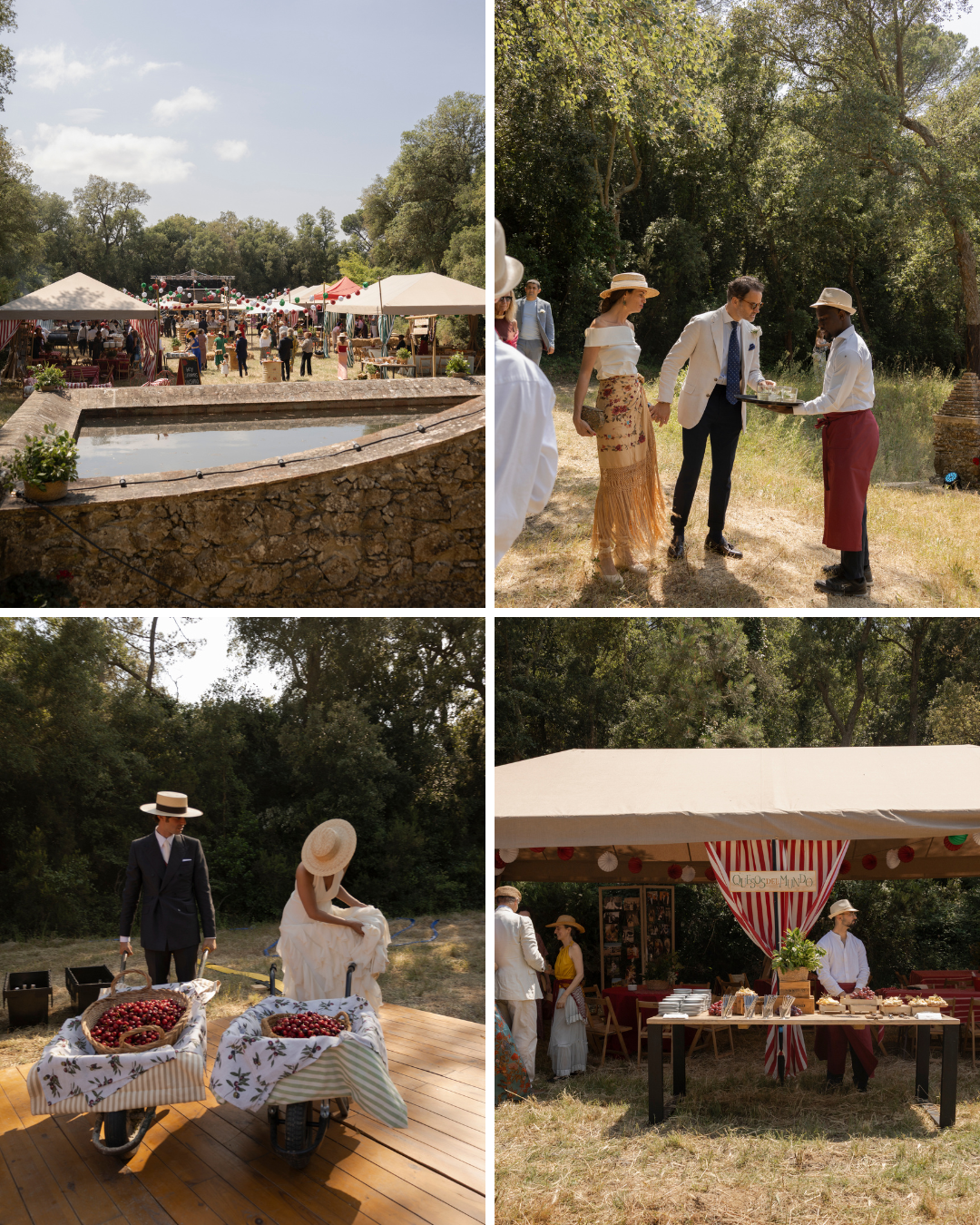
So perhaps the issue isn’t really the price…
Maybe it’s worth pausing for a moment to ask ourselves whether the real barrier is the number itself — or simply how easily we make certain decisions without questioning them.
Some choices feel effortless because they’re rituals. Because they’re familiar. Because they don’t ask us to think too much or place trust in the unknown.
Perhaps the more interesting question is why a public setting and a private one alter our perception of value so dramatically. Why we instinctively accept standardised experiences, yet hesitate when something is created specifically for us.
Looking closely at that — slowly, honestly, without rushing towards easy answers — probably reveals far more about us than about the format itself.
